

Reviving the Spirit of Sheki’s Water Heritage Through Transdisciplinary Collaboration
December 12, 2025
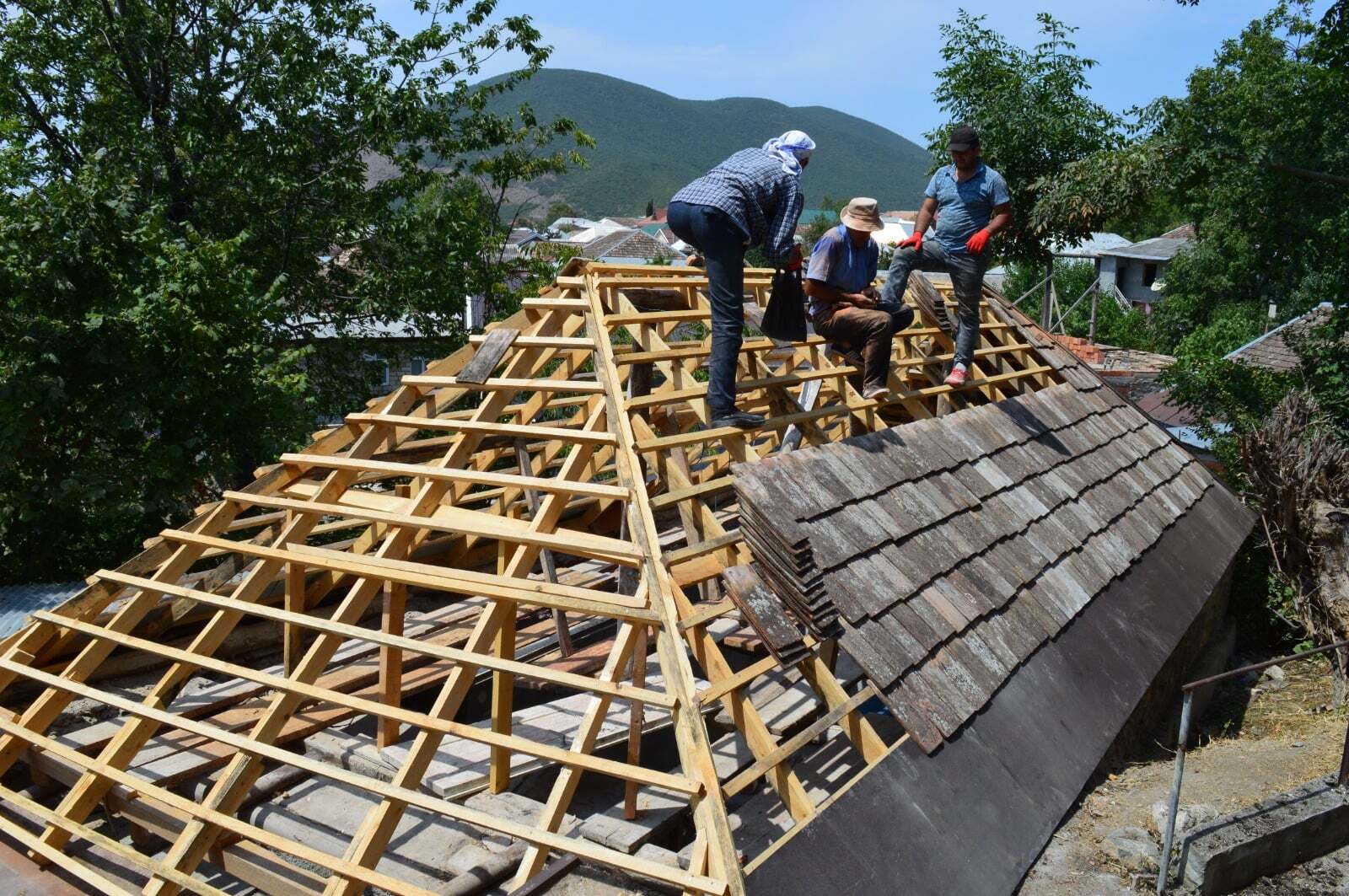 In the historic city of Sheki, where centuries old water mills whisper stories of craftsmanship and community, a long awaited revival began to take shape. The technical intervention to restore two historic water mills became something much greater a powerful example of how transdisciplinary collaboration can breathe life back into cultural heritage, ecosystems, and community identity.
This is the story of River Revive Sheki: Sustainable Water Heritage Initiative, a project where engineers, municipal leaders, environmental specialists, historians, tourism experts, and local residents came together around a shared purpose: to revitalize the Deyirmanarxı River, restore Sheki’s beloved mills, and secure a greener future for the community.
For generations, the rhythmic hum of Water Mills No. 2 and No. 5 shaped the daily lives of Sheki’s people, producing the rice flour essential for the city’s famous halva and symbolizing a deep connection between human skill and natural flows. Yet, over time, clogged canals, deteriorating structures, and damaged surroundings threatened this heritage.
Restoring these mills required more than construction it demanded sensitivity, negotiation, respect for cultural memory, and shared responsibility. The project brought together the local executive authority, the State Tourism Agency, ecology and environmental departments, engineers, builders, millers, and community residents to co-create solutions through this web of shared expertise and commitment.
The result is a deeply human form of climate adaptation. Instead of imposing external fixes, the initiative strengthened natural water flow using modern, efficient pipelines while preserving the integrity of traditional mill structures. A regulating tank now balances the water supply to the mills, protecting both heritage assets and water users downstream. Further downstream, a 360 meter water line was extended into the central city park, where a drip-irrigation system an effective adaptation measure for water-scarce mountain areas now nurtures trees and flowerbeds using clean river water. These interventions ensure that Sheki’s greenery remains resilient against rising temperatures and unpredictable rainfall, challenges that mountain communities increasingly face.
Today, the mills hum again. The river runs cleaner. The park is greener. The community is prouder. And the transdisciplinary partnerships forged through this project have set a new precedent for collaboration in environmental and cultural conservation. As part of the SECAP framework under the Covenant of Mayors East, the Sheki initiative now stands as a model for climate adaptation and heritage protection in mountainous regions. It demonstrates how nature based solutions, cultural preservation, climate resilience, community engagement, and institutional cooperation can merge into one cohesive vision.
The upcoming community trainings and the project’s closing ceremony, planned with a mini-bazaar at the mill site, will continue to build this bridge between knowledge and local action.
This project was made possible thanks to the financial support of the Austrian Federal Ministry of Climate Action, Environment, Energy, Mobility, Innovation and Technology (BMK) and its implementing partner, the United Nations Environment Programme (UNEP). It represents yet another successful outcome of the initiative “The Mountains ADAPT: Small Grants for Community Resilience in East Africa and the South Caucasus.”