

Bridging Classrooms and Climate Science to Build Collective Insight for Regional
December 10, 2025
 In the mountains of Upper Racha, where weather can shift in a heartbeat, a quiet but meaningful transformation began, one that grew inside classrooms, university laboratories, and community conversations at once. It was here that the project Initiating Local Climate Research to Foster Adaptation Solutions set out to explore a simple but powerful question: What happens when students, scientists, teachers, public institutions, and community members learn together, investigate together, and create knowledge together? The answer that emerged went beyond interdisciplinarity, shaped instead by something even stronger — transdisciplinarity, which intertwines knowledge from diverse scientific domains with the experiences and perspectives of the community.
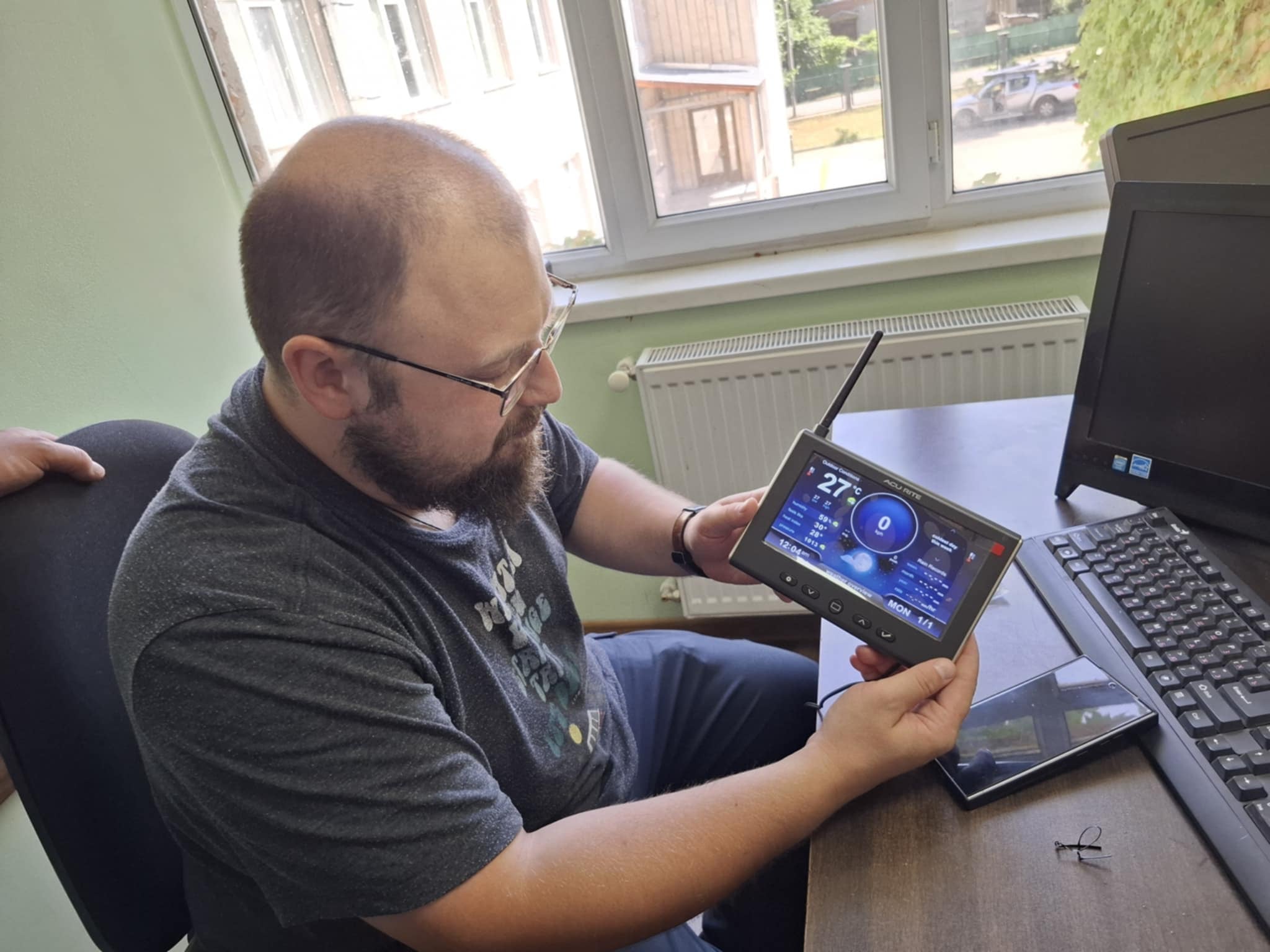
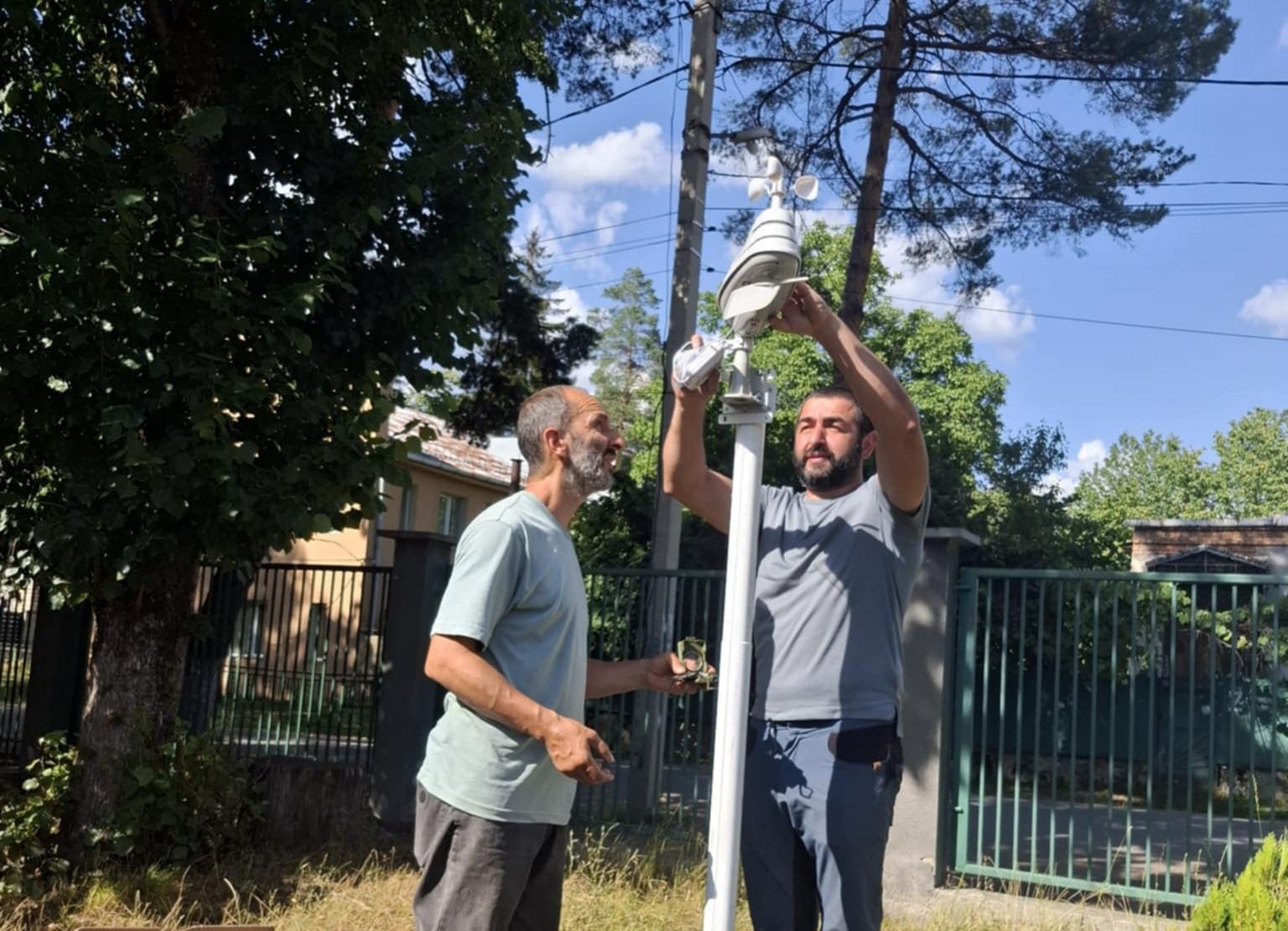
The first signs of change appeared in the schools of Oni and Glola when advanced monitoring instruments were installed: a weather station, wind sensors, an AirGradient Open Air quality monitor, a Raspberry Shake RS1D seismograph, and a suite of meteorological tools usually found in professional research settings. Suddenly, climate science was no longer distant or abstract. The youth of Upper Racha shifted from being passive witnesses of environmental change to becoming active interpreters and contributors. Their excitement became contagious, inspiring teachers, parents, local institutions, and decision-makers to see the landscape through a new and curious lens.
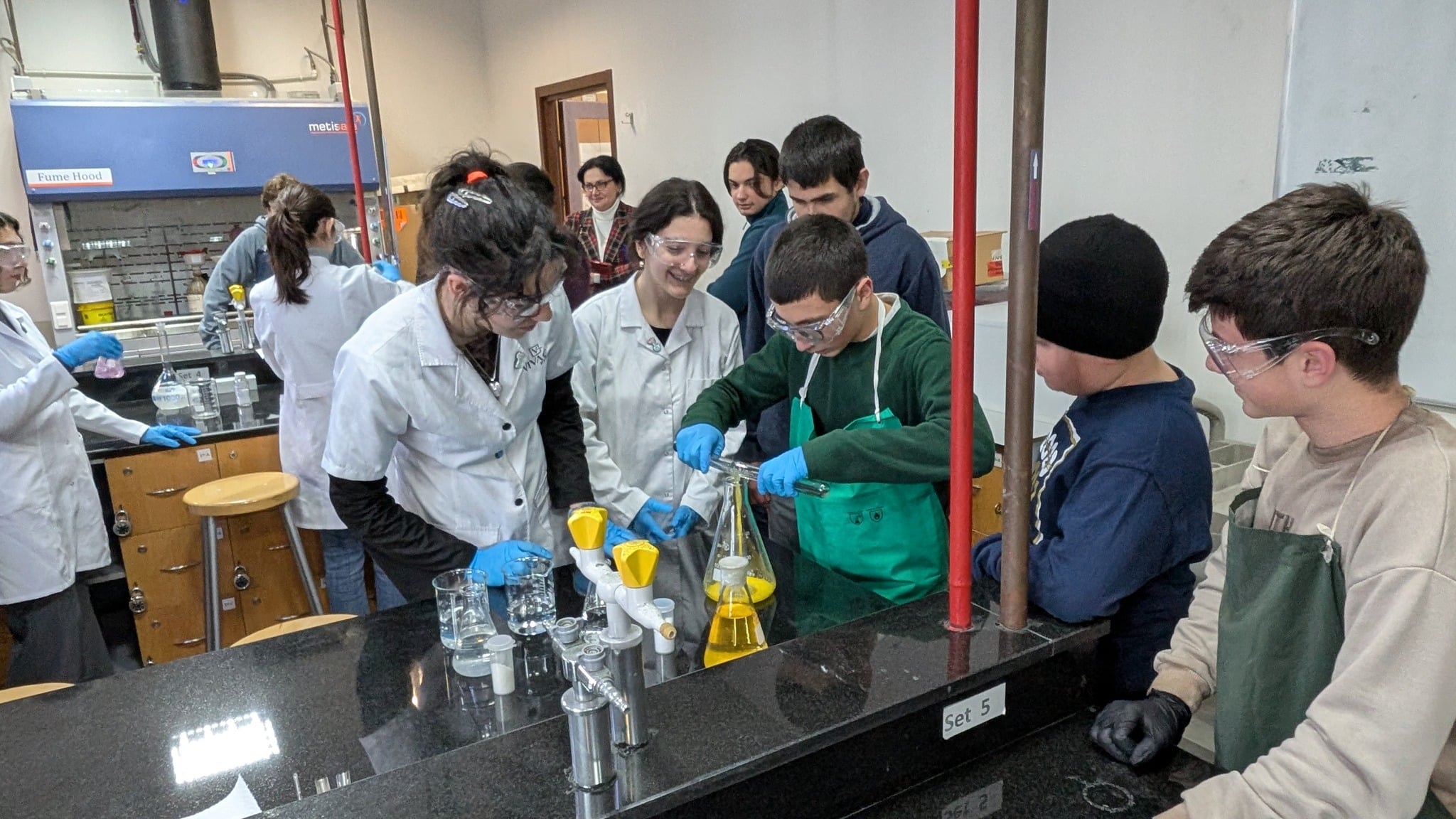
 Once the devices began streaming data, the story evolved into a vibrant learning journey, enriched by continuous scientific and technical support from Ilia State University, Ivane Javakhishvili State University, and the National Environmental Agency (NEA). The enthusiasm witnessed from the students of the Eco Club during the training sessions was inspiring. They discussed weather anomalies, wondered about air pollution sources, and asked how seismic activity connects to Racha’s rugged geology. They realized that their observations were not abstract exercises, but pieces of a larger story about their own environment. They had the opportunity to deepen their knowledge beyond the classroom; study visits to Tbilisi introduced them to university laboratories, atmospheric chemistry instruments, and professional seismic monitoring systems.
With each shared discussion and investigation of parties, guided strongly by the universities and the wider academic sector, transdisciplinarity grew into a lived reality. Meteorology blended with geology, atmospheric chemistry combined with community knowledge, and data science connected with the everyday experiences of a mountain region facing climate variability and seismic instability. The students learned that no single discipline can fully explain the complexity of their environment. Understanding their region required many perspectives, many tools, and many voices: teachers, scientists, local residents, local authorities and decision-makers, and the students themselves. This merging of knowledge created something new — a shared scientific language that belonged to the whole community.
Upper Racha now benefits from real-time meteorological, seismic, and air-quality data, information that will support not only school activities but future discussions about climate change adaptation at the community and municipal levels. The youth of the Oni and Glola communities, once observers of their changing climate, have become active participants in documenting and interpreting it. In Upper Racha, the story is far from over. The data will continue to flow; students will continue to learn, question, and investigate.
 The success of the initiative came from the collective effort of its partners and the shared ownership of the knowledge being created. The Austrian Federal Ministry of Climate Action, Environment, Energy, Mobility, Innovation and Technology (BMK), together with its implementing partner, the United Nations Environment Programme (UNEP), provided the foundation for this work under the framework of the initiative The Mountains ADAPT: Small Grants for Community Resilience in East Africa and the South Caucasus. UNOPS, the National Environmental Agency (NEA), Ilia State University, the National Seismic Monitoring Centre (NSMC), Sustainable Caucasus, and the Racha Antiquities Study and Protection Fund each played essential roles. Yet the true strength of the project emerged not from what each institution brought individually, but from how they worked together — across academic boundaries, across sectors, and across the traditional divide between experts and local communities.
This is the story of how a mountain community became a living laboratory, where students, residents, institutions, and scientists learn side by side, where science moves from theory to daily practice, and where the academic sector helps translate knowledge into informed decisions. In this space, transdisciplinarity lights the way toward deeper understanding, stronger resilience, and a future shaped by informed, evidence-based decision-making.